

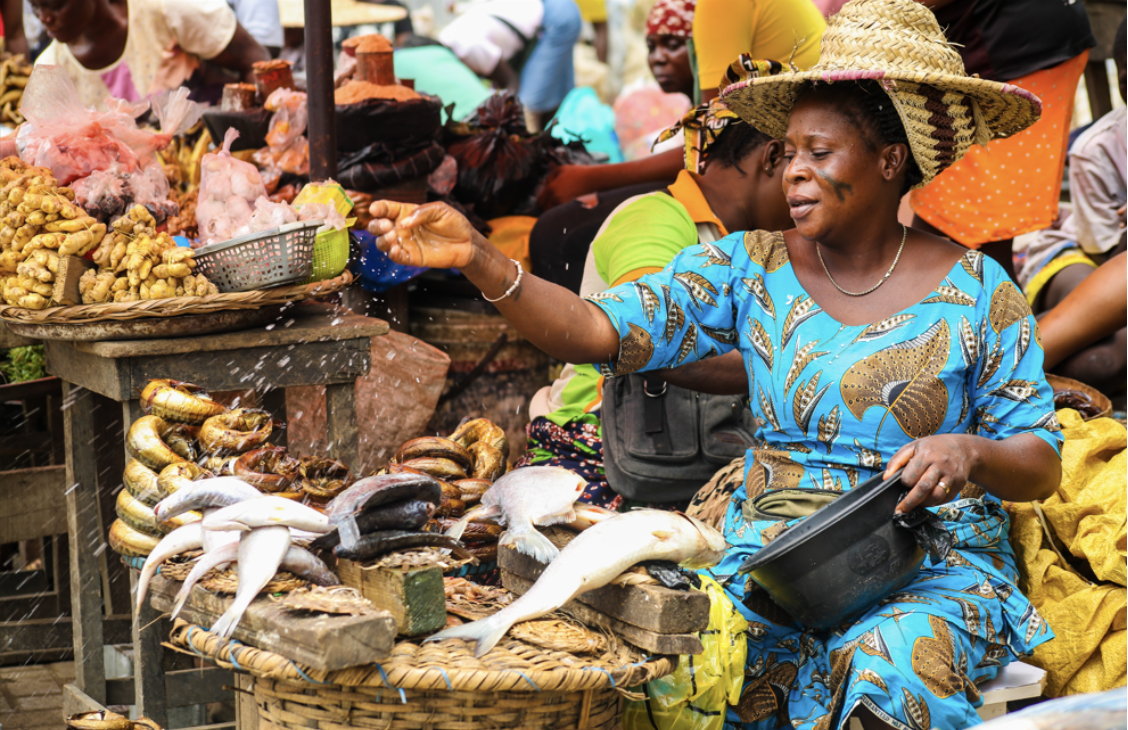
Women at the heart of West Africa’s regional food trade
What women food traders say about the constraints and opportunities they face
Women are the backbone of West Africa’s regional food trade. As processors, traders and retailers, they are the driving force behind the 'hidden middle' that moves food from farms to cities and across borders, shaping what is available, where and when. They dominate non-agricultural food-related activities, accounting for 88% of jobs in food-away-from-home services, 83% in food processing, and 71% in food marketing.
As this midstream sector continues to grow, now generating 40% of agrifood value added and around one-quarter of West Africa’s food economy jobs, the economic role of women is becoming even more central. However, their businesses still face structural barriers. Until recently, women traders’ own perspectives on these challenges and opportunities were largely absent from the evidence base. This has now been filled by a new large-scale survey of regional food traders, published in a forthcoming paper from the Sahel and West Africa Club (SWAC) at the OECD conducted in the framework of the ECOWAS Agricultural Trade (EAT) Programme funded by the German government.
As traders and processors who often head small businesses, women play a key role in regional food and nutrition security. However, they continue to face persistent barriers and often lack the resources needed to expand and strengthen their activities.
Women are concentrated in smaller and less profitable segments of the regional food trade

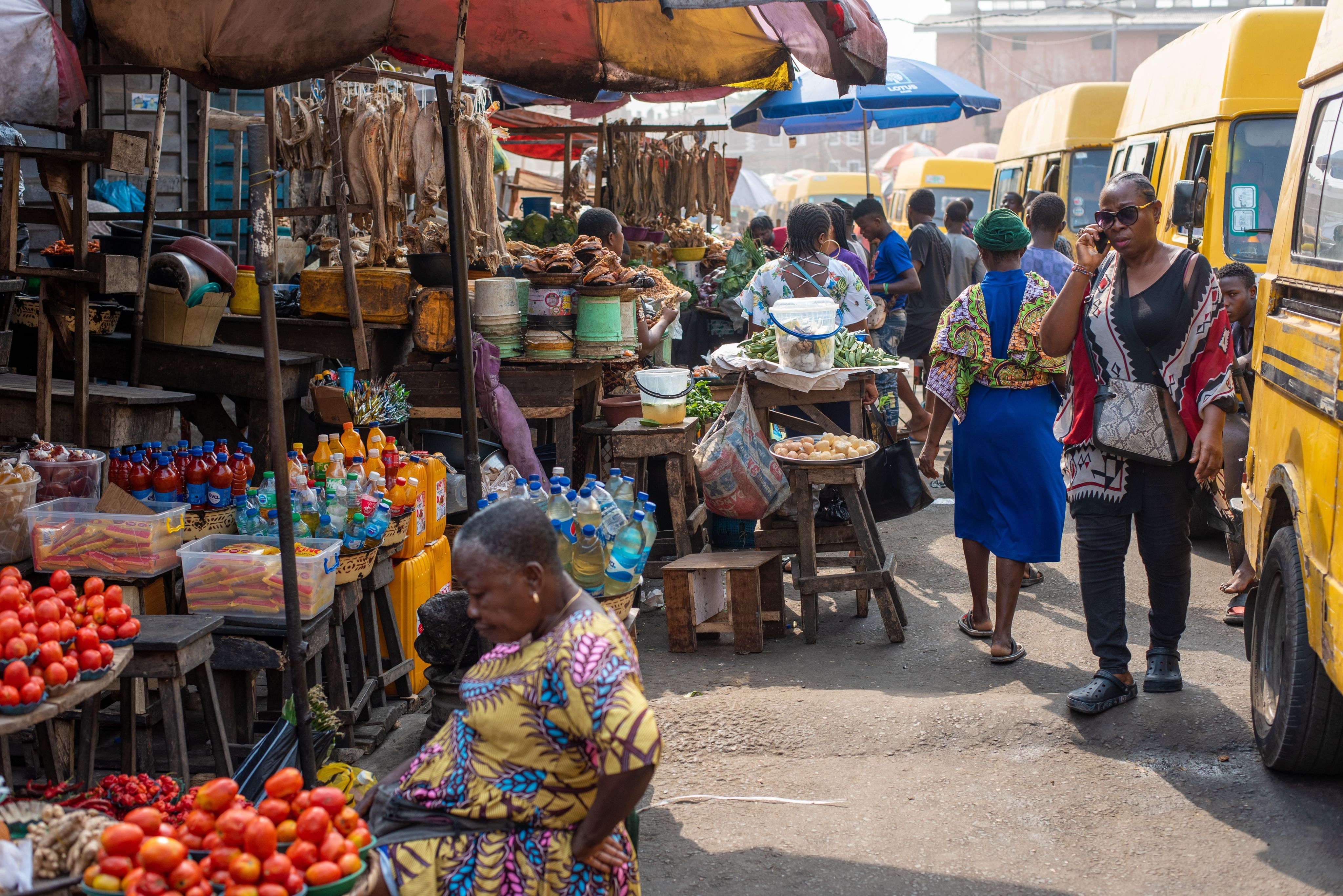
The survey results reveal clear gender-based trends in West Africa’s regional food trade. Men dominate the livestock sector, which is one of the most profitable value chains in the region. In contrast, women are more active in other food categories, including cereals, coffee, tea, spices, fish and processed foods. These patterns reflect the broader gender dynamics in regional trade, with women playing a central role in essential yet often less profitable value chains.

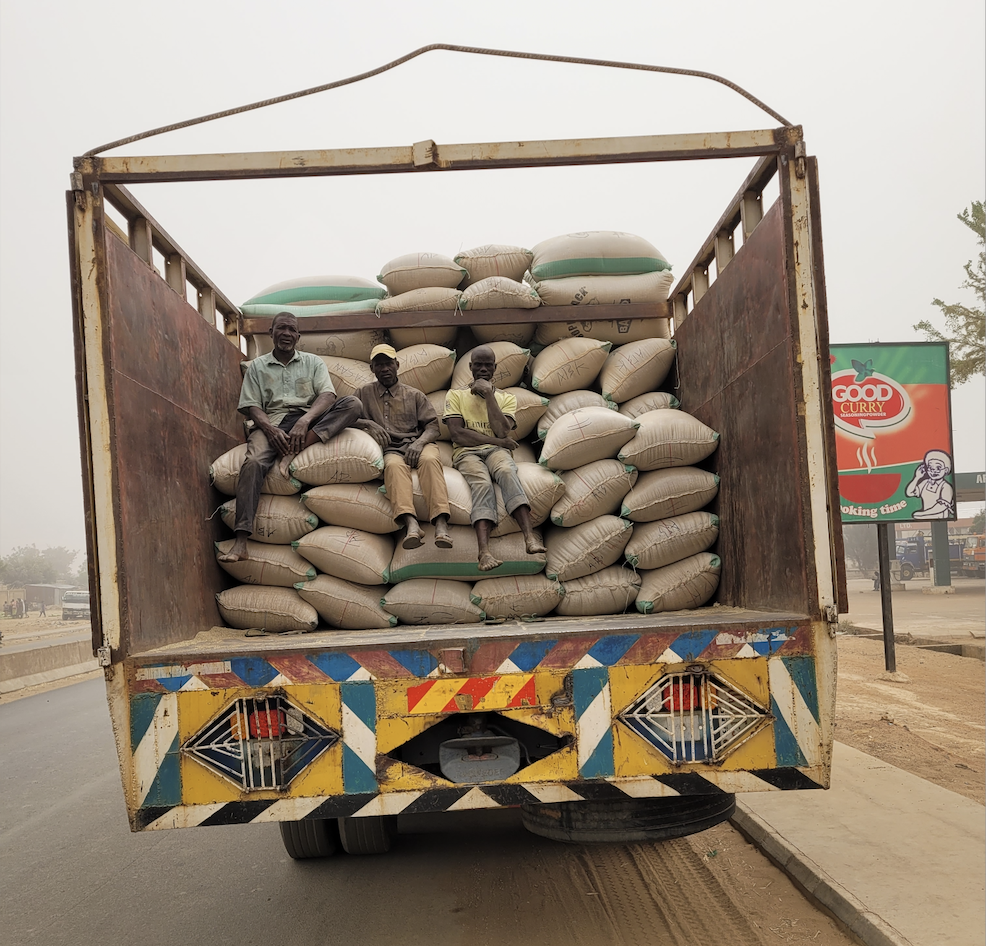
The survey
In 2024, the Sahel and West Africa Club (SWAC) at the OECD, in partnership with the West African Association for Cross-Border Trade in Agro-Forestry-Pastoral and Fisheries Products (WACTAF), conducted a large-scale perception survey of regional food traders in West Africa.
The survey covered 3 200 traders engaged in cross-border food trade across 81 food markets in Benin, Côte d’Ivoire, Guinea, Liberia, Nigeria, Senegal, Sierra Leone and Togo. Women represented 50% of respondents. The survey focused on traders’ perspectives on the practical operation of regional food trade, the constraints they face, and the opportunities they see in a rapidly growing regional food market.
Gender-based trends are reflected in the smaller size of food trade businesses operated by women. Women traders report a median monthly turnover of USD 8 140, which is 57% lower than the USD 19 023 reported by men. Women-led businesses also employ fewer people, with an average of 4.3 employees, compared to 6.2 for businesses led by men.
Regardless of gender, most regional food traders operate in the informal sector. 83% do not own an import or export certificate and 83% of businesses are not formally registered.
What women traders say is holding them back—and what they need most
Women traders identified access to finance* as the second most significant barrier to the growth of their activities, just after trade restrictions and taxes. Other challenges include border procedures, security issues, inadequate transport infrastructure and limited access to market information.
*Among women traders, 22% cite lack of access to finance as the single most important barrier to developing their activities.
When asked what governments should prioritise to improve regional food trade, women traders highlighted three main areas:
- Improving access to finance and support (25%)
- Streamlining border procedures (21%)
- Upgrading road infrastructure and safety (11%)
"It’s a distinction that everyone can see within the value chains. Unfortunately, women are much more present in so-called low-income sectors such as cereals, condiments, and small-scale processed products. These women operate in the informal sector, whereas men dominate the most profitable value chains, such as livestock, fruit exports, or groundnuts."
Halatou Dem, Director of Céréales de Tatam in Mali, on the challenges women face in intraregional food trade.
Despite the constraints, over 40% of women traders reported an improvement in their business activities over the past five years. An additional 20% said their situation has remained stable. Looking ahead, they expressed strong optimism, with 62% expecting their business to improve over the next five years.
Why women earn less at the margins of trade networks
Evidence from a complementary social network analysis of the rice sector in the Dendi area conducted by SWAC and spanning Benin, Niger and Nigeria, helps to explain why women remain structurally concentrated in lower-value activities despite their central role in regional food trade.
The analysis reveals that women occupy different and less advantageous positions than men within commercial networks.
- Men tend to occupy the most strategic and lucrative positions, while women are often relegated to the periphery of the network, with fewer connections to key actors and decision-making spaces.
- Women are less connected to the most strategic actors in value chains and are often confined to lower-value positions.
In the visualisation below, each node represents a trader—green for men and yellow for women. The size of each node reflects brokerage capacity, or how well-connected and influential a trader is within the network. The contrast is striking: the yellow nodes are smaller and positioned at the periphery, while the green nodes are larger and in the centre.
Gender disparities in trade networks

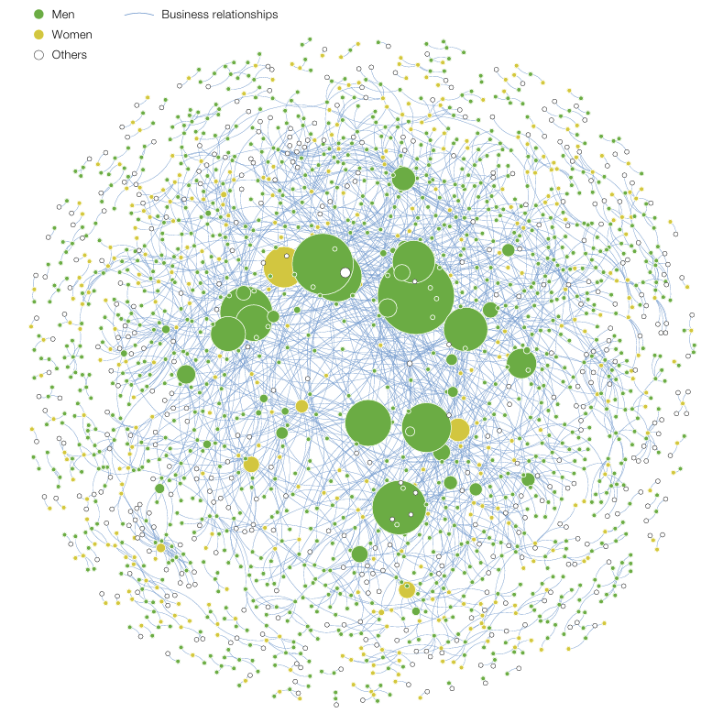
Source : OECD/SWAC 2019
In practice, these network positions mean that women are less likely to occupy intermediary or wholesale roles—positions that offer greater influence and profit. Rooted in social norms, limited mobility, and unequal access to land, finance, and information, these structural gaps continue to constrain women’s competitiveness and income opportunities in regional food trade.
More insights from regional food trade entrepreneurs

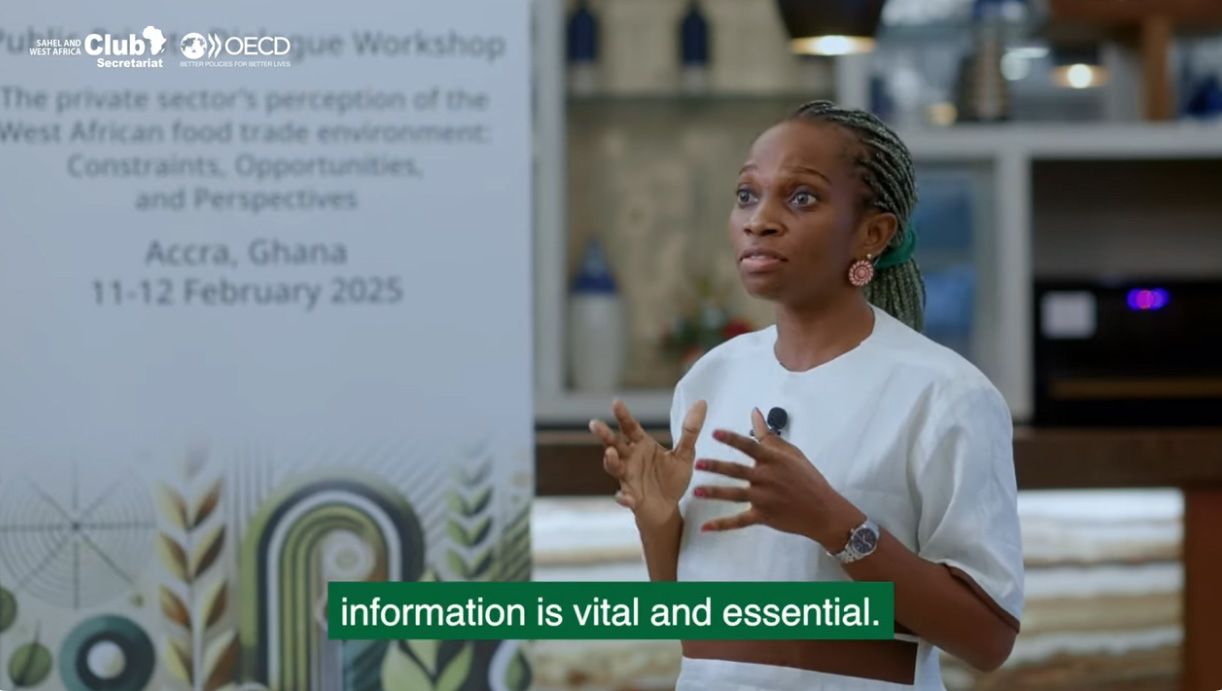
Chigozie Bashua | CEO & Founder of The Nut Place in Nigeria
“Access to information is vital and essential.”


Adanne Nnanna Uche | CEO & Founder of Ady's Agro Processing Limited in Nigeria
“We need to get our logistics right.”

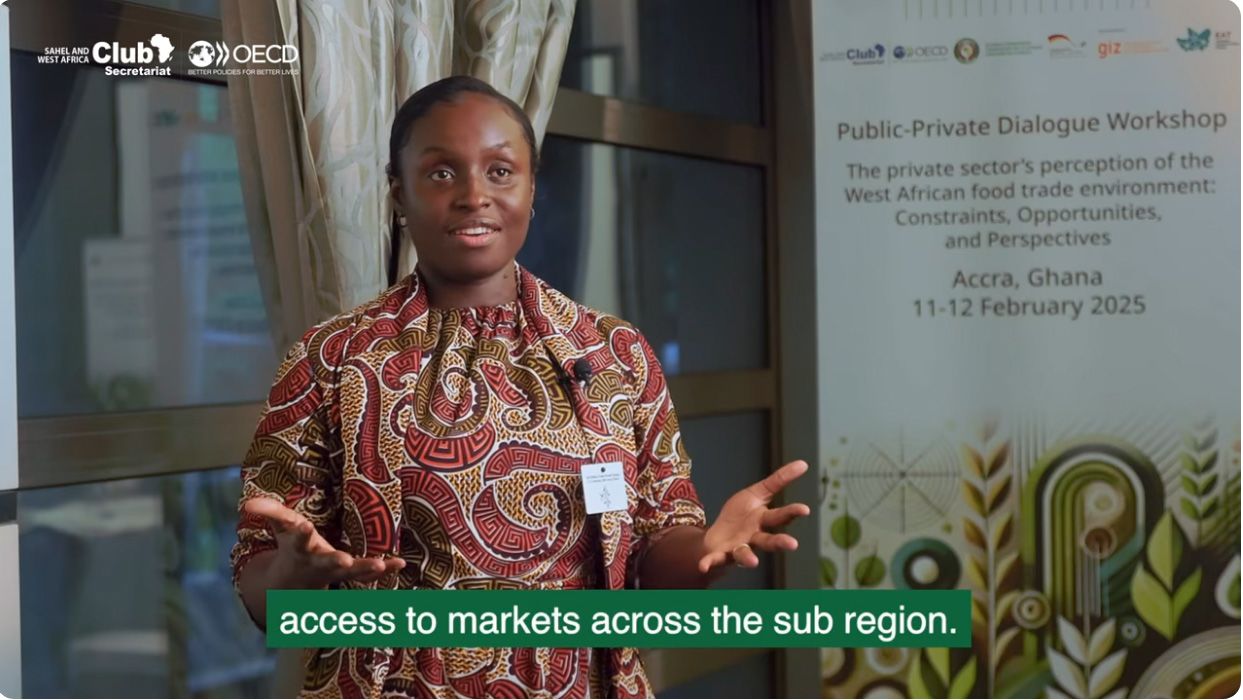
Angela Barnes | General Manager of Agro Kings Limited in Ghana
"As a company, we value advancing human lives, empowering women and youth in agriculture, and feeding the future."

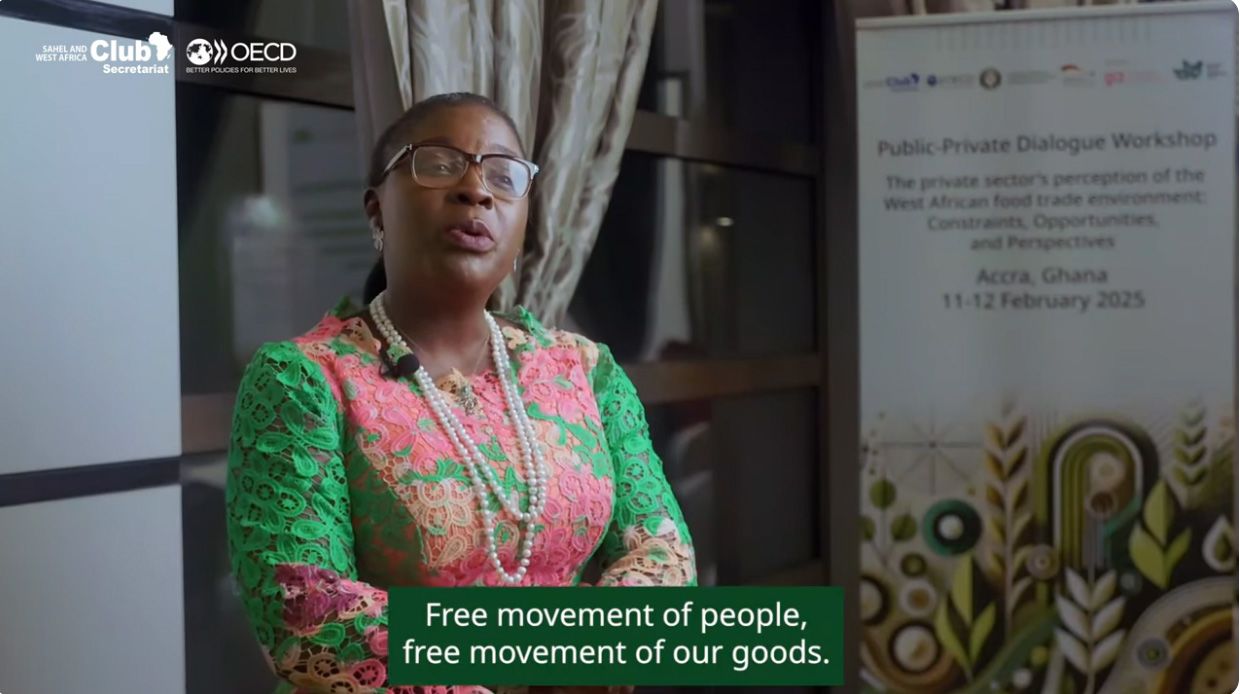
Elizabeth Olanrewaju Nwanko | CEO of Oklan Best in Nigeria
“Logistics and payments are key for the free movement of humans and goods in Africa.”
More resources on women's engagement in the food economy


Women's roles in the West African food system
This paper examines how women’s empowerment is essential for food and nutrition security and resilience in West Africa.

Women and Trade Networks in West Africa
This study focuses on the rice sector in the Dendi region and on the regional governance networks that support women's entrepreneurship.
Agriculture, food and jobs in West Africa
This paper examines the employment structure of the food economy, including women’s participation in the various activity segments.


Podcast series : Women Leading Change
This podcast series brings together voices from across West Africa to discuss how gender inequality shapes key challenges facing the region.
This digital story was prepared by the OECD Sahel and West Africa Club (SWAC) Secretariat in the context of the “ECOWAS Agricultural Trade (EAT)” project, financed by the Deutsche Gesellschaft für Internationale Zusammenarbeit (GIZ) on behalf of the Government of the Federal Republic of Germany.


Photo credits:
1. Omotayo Kofoworola / Shutterstock.com
2. Deutsche Gesellschaft für Internationale Zusammenarbeit (GIZ)
3. Tolu Owoeye / Shutterstock.com
 Built with Shorthand